
A Seminary's Guide to a Greece Study Tour
For the seminary professor, the pastor, or the ministry leader, the classroom often feels like a prelude to the true depth of understanding. While systematic theology and historical criticism are foundational, there is an irreplaceable power in walking the dusty, sun-drenched paths where the gospel first crossed into the European continent. A seminary Greece tour is not merely a vacation; it is a profound pedagogical shift, a way to breathe life into the Pauline epistles and the early history of the Christian church. By immersing your students in the cultural and topographical reality of the New Testament, you move from abstract knowledge to visceral discovery.
Greece, often remembered for its philosophers and democracy, is for the Christian leader a landscape of divine movement. It is here that the Apostle Paul heard the Macedonian call and where the first European Christian conversion—Lydia of Thyatira—took place by a riverbank in Philippi. When you lead a group through Greece, you are tracing the very footprints of the advancement of the gospel.
The Biblical Landscape of Greece
When we organize Christian Greece tours, we focus on the trajectory of Paul’s second and third missionary journeys. Your journey should begin in the north, in the ancient city of Philippi. Reading Acts 16:11-15 while standing near the ruins of the Roman forum in Philippi provides a context that no textbook can replicate. Here, the story of Lydia and the jailer who asked, "What must I do to be saved?" becomes a personal invitation to your students.
Continuing south to Thessaloniki, you encounter the setting of 1 and 2 Thessalonians. This city remains a vibrant hub, and discussing the struggles and hopes of the early Thessalonian church while looking out over the Thermaic Gulf provides a bridge between the ancient text and the modern city. The proximity of the ruins to the bustling urban environment reminds students that the gospel was not intended for ivory towers, but for the messy, vibrant center of city life.
Experiencing Pauline Theology on Site
Perhaps the most vital component of your study tour is the application of Pauline theology on site. In Athens, beneath the towering shadow of the Acropolis, you find the Areopagus. This is the place of Acts 17, where Paul engaged the Stoics and Epicureans with the gospel of the unknown God. Standing where Paul stood, challenging the intellectual pride of the age with the truth of the resurrection, is a transformative moment for any theological student.
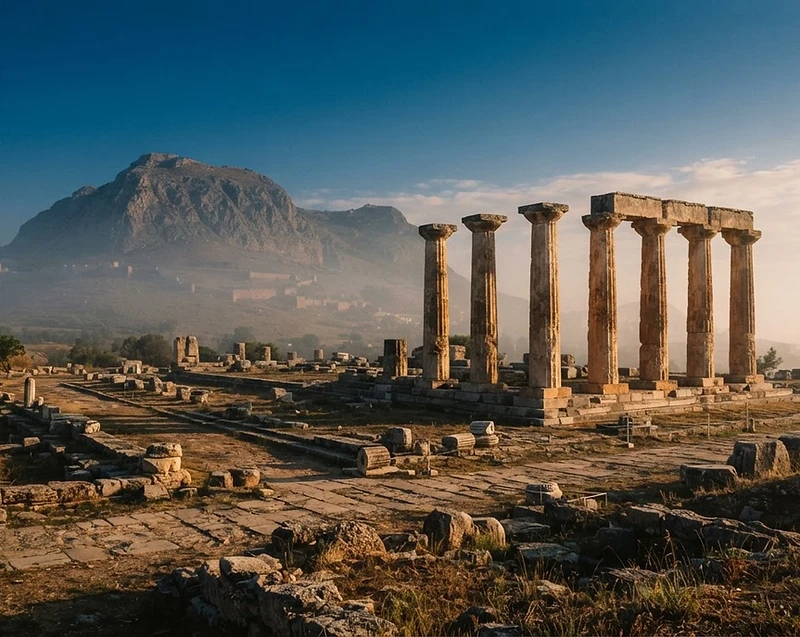
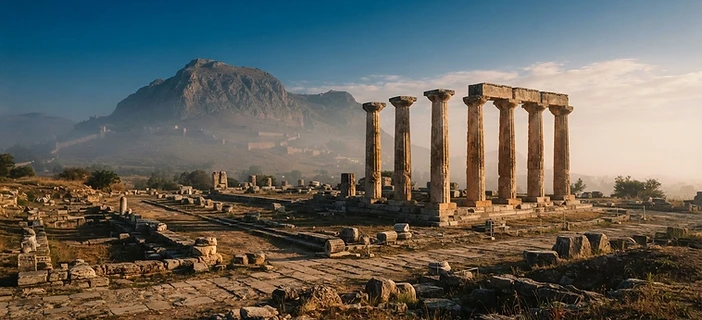
As you move toward Corinth, the depth of Paul’s relationship with his churches becomes tangible. Corinth was a city known for its decadence and commerce, making it a difficult soil for the gospel. Reading 1 Corinthians 13 in the shadow of the Temple of Apollo allows students to see the stark contrast between the culture of the day and the radical call to agape love that Paul demanded of his congregation. The ruins here are substantial, and the scale of the marketplace reveals exactly why Paul spent eighteen months establishing the church in this strategic crossroads.
Practical Guidance for Group Leaders
Leading a group abroad is a logistical undertaking that requires careful stewardship of both time and resources. Timing is of the essence; the Mediterranean climate is beautiful but unforgiving in the peak of summer. We recommend visiting in the shoulder seasons—late April to early June or late September through October. During these months, the temperatures are moderate, the crowds are manageable, and the landscapes are often in bloom.
Accessibility is another crucial factor. Greece is a land of hills, uneven cobblestones, and steep archaeological sites. As a leader, ensure your itinerary includes a balance of site visits and rest. A common mistake is packing too much into a single day, leading to physical exhaustion that inhibits the group’s ability to engage with the material. Always include a "rest day" or afternoon downtime to allow for reflection and informal group discussion. Accessibility can be tricky, so selecting sites that offer paths for those with mobility challenges is a service to your group members, ensuring that no one is left behind.
Pacing should follow a "slow travel" philosophy. Spend more time at fewer sites. Allow your students to sit on a stone bench in ancient Corinth for an hour to read and pray rather than rushing them through a dozen photos. This stillness is where the Holy Spirit often does the most significant work.
Why Verity Journeys is Your Partner
At Verity Journeys, we understand that you are not just leading tourists; you are leading disciples. Our expertise in designing study-centered itineraries means we handle the burden of logistics, from transport and high-quality lodging to authentic, group-friendly dining, so that you are free to lead your group spiritually.
We provide expert, English-speaking guides who are deeply familiar with both the historical context and the theological requirements of church and seminary groups. We do not just show you the ruins; we facilitate a pilgrimage that aligns with your educational goals. We handle the complex coordination required for access to remote sites and manage the flow of your tour to ensure you are never caught in the chaos of massive cruise ship crowds. Our partnership allows you to remain the shepherd of your group while we manage the stewardship of the journey.
Frequently Asked Questions
Q: How much walking should my students expect on a typical day in Greece? A: You should prepare your group for 3-5 miles of walking per day on varied terrain. Many archaeological sites feature uneven stone paths and inclines. We always incorporate rest periods, but comfortable, broken-in walking shoes are mandatory for all participants.
Q: How does a Verity study tour differ from a standard commercial tour? A: Unlike commercial tours that prioritize shopping and superficial sightseeing, our focus is entirely on the theological and historical narrative of the Bible. We structure every day around specific scripture readings, devotional time, and scholarly discussion, ensuring the trip serves the educational and spiritual mission of your institution.
Q: What is the ideal group size for an effective learning environment? A: We find that groups between 15 and 30 participants offer the best balance. This size is large enough to foster diverse theological discussion and community building, yet small enough to maintain the agility required to move through sites quickly and hear the tour leader clearly without audio interference.
Q: How far in advance should we begin planning our Greece study tour? A: For the best selection of accommodations and site access, we recommend beginning the planning process 12 to 18 months before your intended departure date. This ensures we can lock in the best experts for your specific focus and secure seamless travel logistics for your group.