
The Economic Impact of Religious Tourism: A Global Catalyst for Growth
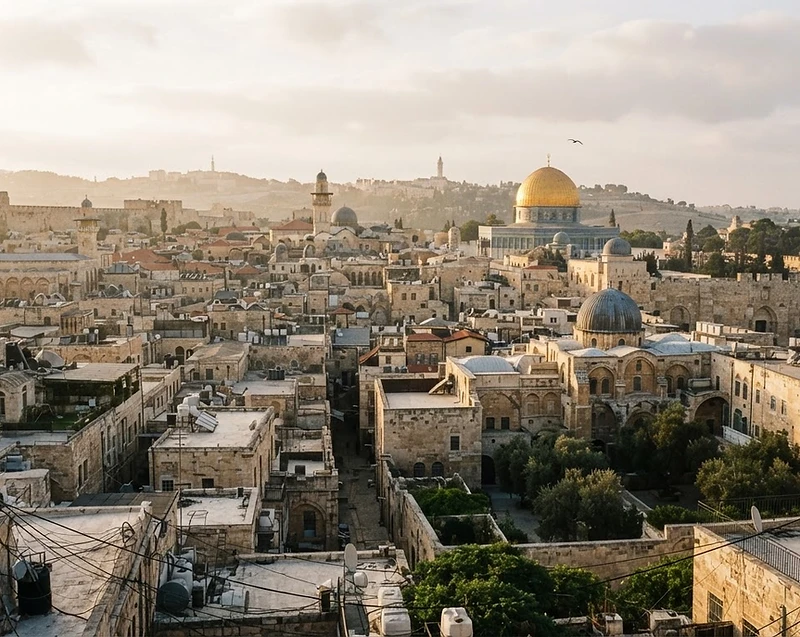
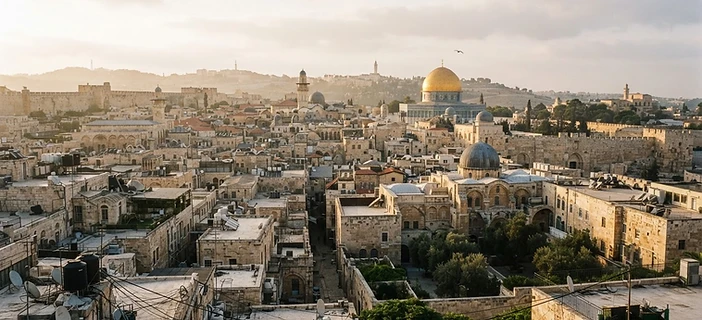
Imagine standing on the southern steps of the Temple Mount in Jerusalem, where the dust of history meets the modern hustle of a bustling metropolis. Or perhaps, picture your ministry group walking the path of the Apostle Paul in Philippi, Greece, or tracing the footsteps of the saints through the ancient catacombs of Rome. These are not merely vacations; they are immersive educational and spiritual journeys. As we analyze the economic landscape of these pilgrimages, it becomes clear that religious tourism is one of the most resilient and impactful sectors of the global travel industry.
For pastors, professors, and ministry leaders, understanding the economic dimension of faith-based travel is vital. It is not just about logistics; it is about stewardships. Every group that lands in Tel Aviv, Athens, or Rome contributes to a massive financial ecosystem that sustains local livelihoods, preserves historical heritage, and empowers communities. According to the United Nations World Tourism Organization (UNWTO), religious tourism attracts approximately 330 million people annually to key religious sites around the world. For Israel, Greece, and Italy, this sector is a bedrock of fiscal stability.
The Economic Engine of Faith: Data and Trends
In Israel, faith tourism is the heartbeat of the travel industry. Before the recent global travel fluctuations, the Israel Ministry of Tourism reported that over 50% of inbound tourists identified as pilgrims. In 2019, Israel saw a record 4.5 million tourists, with faith-based groups contributing over $7 billion to the national economy. This isn't just revenue for international airlines; it supports local tour guides in Galilee, family-run souvenir shops in the Old City, and boutique hotels in Bethlehem. Research from Pew Research Center highlights that religious affiliation remains a primary driver for international travel, with faith tourism growing at an average annual rate of 3.5% over the last decade.
Italy, the epicenter of Roman Catholicism, sees religious tourism as an essential export. With the Vatican drawing millions for Jubilee years and regular papal audiences, the economic impact is staggering. The Italian Ministry of Tourism estimates that religious tourism contributes nearly 5% to the nation’s annual GDP. From the Benedictine monasteries in Umbria to the Basilica of St. Peter, the revenue generated keeps cathedrals standing and art restored. Similarly, Greece serves as the cradle of the early Church. Following the footsteps of Paul—from Kavala to Thessaloniki—has become a massive niche market. The Greek National Tourism Organization notes that pilgrimage tourism has increased by 15% in the last five years, creating specialized local economies in previously underserved rural regions.

Stewardship and Sustainability: Practical Guidance for Leaders
When you organize a trip for your church or seminary, you are engaging in an act of economic mission. Your spending has a ripple effect. To maximize the positive economic impact of your pilgrimage, consider these principles:
- Prioritize Local Operators: Always seek out local tour companies and guides. By choosing local, you ensure that the currency flows directly into the hands of families living in the host country rather than international conglomerates.
- Support Sustainable Artisans: Encourage your group to buy crafts from local workshops rather than mass-produced, imported trinkets. This preserves local craftsmanship and provides a living wage for artisans in places like Nazareth or Assisi.
- Off-Peak Travel: By bringing your group during the "shoulder season" (winter or early spring), you provide year-round stability for hotels and bus drivers who would otherwise face severe seasonal unemployment.
Why Verity Journeys: Expert Partnership
At Verity Journeys, we believe that an educational pilgrimage should be intellectually rigorous and economically responsible. We specialize in logistical precision that honors the sanctity of the sites you visit. We understand that for a pastor or professor, the goal is not just to see the world, but to see it through the lens of Scripture. Our deep roots in Israel, Greece, and Italy allow us to facilitate encounters that go beyond the guidebook. We curate experiences that connect your group with the local Christian community, ensuring your visit supports those who are the living, breathing descendants of the faith in these regions. From a logistics standpoint, our market analysis ensures that every dollar of your group’s budget is optimized for efficiency and impact, leaving more room for the spiritual transformation of your travelers.
Frequently Asked Questions
Q: How large is the global religious tourism market? A: The global religious tourism market is valued in the tens of billions, with estimates suggesting that hundreds of millions of people participate annually, making it one of the largest and most stable segments in the hospitality sector.
Q: What is the primary economic benefit of faith-based travel for local communities? A: Beyond direct spending on hotels and food, faith-based travel creates high-quality employment for local guides, drivers, and preservationists, while providing the necessary funding to maintain historical, religious, and cultural sites.
Q: Why is it important to choose a reputable partner like Verity Journeys? A: A reputable partner ensures that your group's budget is managed ethically, that local workers are paid fairly, and that your itinerary is designed to maximize educational value while adhering to the highest standards of safety and logistics.
Q: Can pilgrimage travel actually help preserve the history of a site? A: Yes, through the 'visitor economy,' pilgrimage funds are frequently earmarked for the restoration and maintenance of ancient sites, cathedrals, and excavation areas, effectively turning every pilgrim into a benefactor of historical preservation.
How does pilgrimage tourism support local communities? Religious tourism is a powerful economic engine for host communities. In Israel, tourism accounts for a significant share of GDP in a normal year, and Christian pilgrimage is a core component. In Greece and Italy, faith-based visitors sustain local hotels, restaurants, drivers, and guides in regions that depend on seasonal travel. The economic benefit extends from the guide on the bus to the family-run restaurant near the site, and it is one of the reasons responsible pilgrimage matters.
What else should leaders know about the economic impact of religious tourism? For the most current guidance, leaders are encouraged to speak directly with the Verity planning team, who can tailor every detail to the specific needs, tradition, and teaching goals of your group. The right plan is always the one built around your people, and the conversation is the best place to begin. Reach out through the inquiry page, and the team will walk you through the options, the calendar, and the next steps for your journey.