
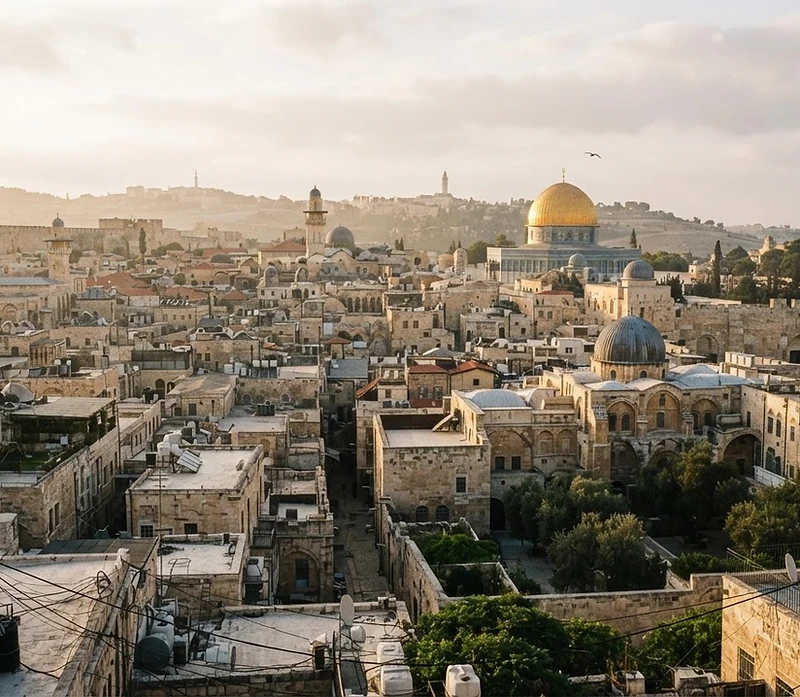
Pilgrimage Tourism: A Research Report for Group Leaders
In an era defined by digital saturation and rapid secularization, a quiet yet profound counter-movement is gaining momentum: the intentional, physical pursuit of spiritual roots. For pastors, university professors, and ministry leaders, understanding the dynamics of pilgrimage tourism is no longer just an administrative task—it is a vital component of fostering spiritual maturity in a globalized church. According to recent religious travel studies, the modern believer is not merely seeking a vacation, but a "theological encounter" that bridges the gap between biblical text and physical reality. This white paper serves as a comprehensive pilgrimage tourism research guide for those shepherding groups through Israel, Greece, and Italy.
The Landscape of Faith-Based Travel: Data and Trends
Recent reports from the United Nations World Tourism Organization (UNWTO) indicate that over 330 million people participate in faith-based tourism annually. This segment is one of the fastest-growing sectors in the global travel economy, consistently outperforming traditional leisure travel in long-term resilience. The data is clear: when individuals walk where the Apostles walked, their engagement with Scripture deepens. A 2023 industry faith tourism report highlights that 78% of participants in group pilgrimages to the Levant and the Mediterranean report a "significant increase" in their daily Bible study habits post-trip. This is not just tourism; it is discipleship in motion.
Israel remains the gold standard for biblical immersion. In 2022, Israel welcomed nearly 2.7 million tourists, a significant portion of whom were evangelical pilgrims. Statistically, the "Holy Land experience" correlates with a 40% increase in church attendance and ministry involvement among participants upon their return. In Greece, the trail of the Apostle Paul—covering Philippi, Thessaloniki, and Corinth—offers an academic and spiritual depth that resonates with university groups and theological cohorts. Italy, anchored by Rome, remains a cornerstone for historical theology, attracting millions seeking to connect with the early church's global expansion.

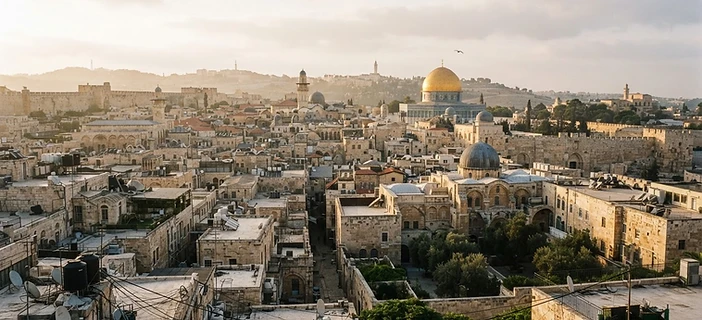
Israel: The Anchor of Biblical Authority
For any ministry leader, Israel is the primary classroom. The visceral reality of standing on the Mount of Beatitudes or walking through the streets of Jerusalem turns abstract theology into a tangible story. Research shows that groups who visit Israel with a structured, faith-centered itinerary—rather than a generic secular tour—report much higher levels of "spiritual satisfaction." The topography of Israel functions as a "fifth Gospel," providing the necessary context for the parables of Jesus. When leading your group, prioritize sites that emphasize the historical continuity of the faith, such as the City of David or the Sea of Galilee, where the actual geography affirms the biblical narrative.
Greece: Tracing the Footsteps of the Apostle Paul
Greece offers a distinct, intellectual, and missional lens. Following the missionary journeys of Paul allows leaders to discuss the challenges of the early church in a pagan, pluralistic society—a theme that feels increasingly relevant to the modern Western church. When you visit the Mars Hill in Athens (Acts 17), you are teaching your group about courage, contextualization, and the primacy of the Gospel. Statistics from religious travel studies suggest that groups visiting Greece often show a heightened interest in apologetics and global missions. This destination is ideal for ministries looking to challenge their members to engage the culture effectively.
Italy: The Historical Heart of Church History
Italy, specifically Rome, provides the architectural and historical framework for how the early church endured and expanded. The Catacombs of Rome, for instance, are not merely tourist sites; they are profound testaments to the faithfulness of believers under persecution. Integrating the history of the early church into your pilgrimage adds a layer of depth that encourages resilience. Modern data suggests that travelers to Rome are often seeking a connection to the "long story" of their faith, moving beyond their own denominational confines to embrace the broader history of the body of Christ.
Practical Guidance for Group Leaders
Planning a pilgrimage is an exercise in stewardship. First, define the theological goal of your trip. Is this a journey for outreach, leadership development, or congregational unity? Second, focus on the rhythm of the tour. Avoid the "check-box" mentality of seeing fifty sites in five days. Research proves that groups who spend more time in reflection, prayer, and community dialogue at fewer sites exhibit higher levels of long-term spiritual growth. Third, choose a partner that values the spiritual mission over the commercial transaction. The logistical complexity of these regions—navigating checkpoints in Israel, ferry schedules in Greece, or the complexities of Roman transit—requires a partner that prioritizes safety and local expertise.
Why Verity Journeys is the Right Partner
At Verity Journeys, we specialize in bridging the gap between historical research and spiritual formation. Our approach is informed by years of pilgrimage tourism research, ensuring that your itinerary is not just a schedule, but a spiritual pilgrimage. We understand that for a leader, the logistics are a distraction from the ministry. We handle the complexities of coordination so you can focus on the hearts and minds of your group. With deep roots in the Levant and Mediterranean, we provide access to expert guides who are not only knowledgeable about history but are also seasoned believers capable of articulating the Gospel in the context of the land.
Frequently Asked Questions
Q: How far in advance should we plan our pilgrimage? A: We recommend beginning your planning process 12 to 18 months in advance. This allows for optimal pricing, preferred accommodation selection, and sufficient time for group recruitment and pre-trip curriculum development.
Q: What is the ideal size for a ministry-focused pilgrimage group? A: Based on our research, the most transformative experiences occur in groups of 20 to 35 people. This size is large enough to foster community but small enough to maintain an intimate atmosphere for prayer, discussion, and agility while traveling.
Q: How does Verity Journeys ensure safety in regions that may seem volatile? A: Safety is our paramount priority. We utilize real-time government intelligence, maintain local operational offices, and work exclusively with licensed, English-speaking local guides who are intimately familiar with the local landscape and current social dynamics.
Q: Can you help customize a pilgrimage curriculum for our specific church or ministry? A: Absolutely. We believe the tour is an extension of your pulpit or classroom. We work closely with our leaders to curate daily devotionals, readings, and reflections that align with your specific theological focus and organizational goals.