
Interfaith Tours to Israel: A Model for Honest Travel
Stepping off the plane at Ben Gurion Airport, the air itself feels charged with the weight of four thousand years of history. For the Christian pilgrim, Israel is more than a destination; it is the stage upon which the narrative of our salvation was written. As leaders of churches, universities, and ministries, you hold the unique responsibility of shepherding your people through this landscape. Increasingly, we are finding that the most profound way to experience this land is through interfaith tours to Israel, an approach that prioritizes honesty, complexity, and a deep, gospel-centered engagement with the people who call this land home today.
Walking the Path of the Prophets and the Apostles
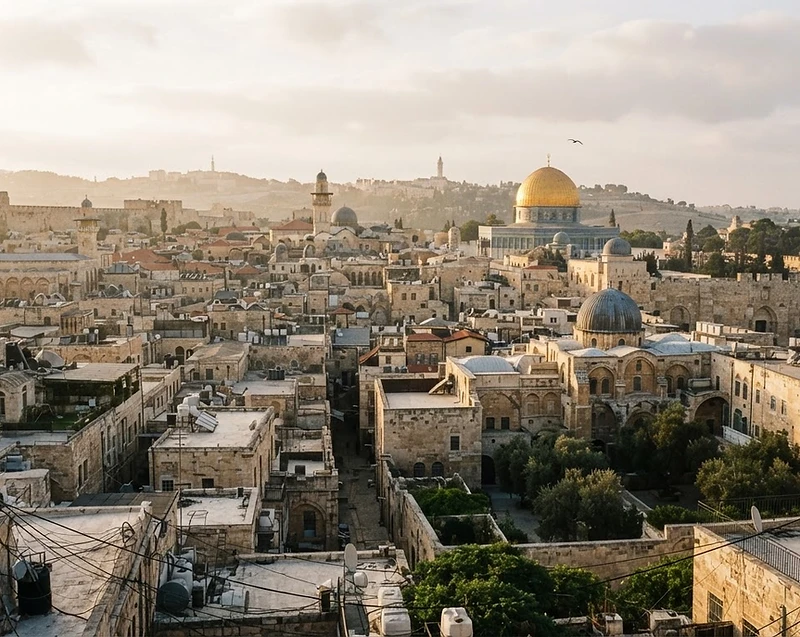
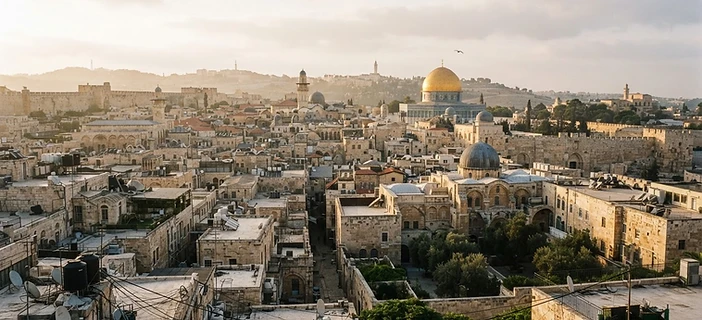
When your group embarks on an interfaith Holy Land journey, you are not merely checking items off a sightseeing list. You are walking the path of Abraham, the dusty trails where Jesus taught, and the stones upon which the early church was built. In Jerusalem, your group will stand on the Southern Steps of the Temple Mount, exactly where Peter likely preached at Pentecost, recorded in Acts 2. In the Galilee, you will sit on the hillside overlooking the Sea of Galilee, perhaps near the Mount of Beatitudes, and reflect on the transformative teaching of Matthew 5.
However, what sets an honest, interfaith tour apart is the encounter with the present-day realities of this land. Your group will hear from local Jewish scholars who can offer deep insight into the Hebrew traditions that Jesus lived out, and you will sit with Christian Arabs whose families have guarded the holy sites for centuries. This is not about compromising the truth of the Gospel; it is about recognizing that Christ’s invitation to love our neighbor—and even our enemy—is most tested and most refined in the context of the Holy Land.
The Biblical Mandate for Engagement
Scripture teaches us that we are called to be witnesses in all the earth. Acts 1:8 is not just a command; it is an invitation to expansion. By engaging in interfaith tours to Israel, we honor the humanity of everyone we encounter, reflecting the image of God (Imago Dei) in our neighbor, regardless of their background. When we visit the Mount of Olives and read Luke 19:41-44, we are reminded of Jesus weeping over Jerusalem. This heartache for the city and its people should stir in us a desire to understand the complexities of the current situation. We bring our groups to pray for the peace of Jerusalem, as Psalm 122:6 commands, but we do so with eyes wide open, seeking to understand the stories that make up that peace.
Curating the Experience: What Your Group Will Do
An itinerary with Verity Journeys is carefully curated. Your group will spend time in the Old City of Jerusalem, navigating the vibrant Shouk, walking the Via Dolorosa, and spending contemplative time at the Garden Tomb. You will also travel north to the Golan Heights and the Sea of Galilee, where you can take a wooden boat out onto the water, reading the account of the calming of the storm in Mark 4.
We also prioritize "honest travel." This means we do not shy away from the hard conversations. We facilitate meetings with leaders who are working on the ground in conflict resolution, educational initiatives, and humanitarian aid. Your group will walk the tension between the ancient stones and the modern challenges, allowing the Holy Spirit to move in their hearts as they reconcile faith with reality.
Practical Guidance for Group Leaders
Planning a pilgrimage is a significant undertaking. For Christian Israel tours, we generally recommend a duration of 10 to 12 days to ensure a balance between activity and reflection.
- Timing and Pacing: Avoid the temptation to cram too much in. We recommend a 9:00 AM to 5:00 PM pace with intentional gaps for quiet reflection.
- Best Seasons: The sweet spots are late spring (April-May) and early autumn (October-November). You avoid the extremes of the summer heat and the winter rains.
- Accessibility: While Israel is modern, it is also ancient. Much of the terrain, especially in the Old City, involves uneven cobblestones and steep inclines. Always prepare your members to have comfortable walking shoes and to be ready for substantial daily movement.
Why Verity Journeys is Your Partner of Choice
In a crowded market of travel agencies, Verity Journeys stands apart by focusing on the spiritual formation of the traveler rather than just the logistics of the trip. We understand the specific theological requirements of ministry leaders. We know you need a partner who values biblical fidelity while encouraging a nuanced, honest worldview. Our guides are experts in both the historical, archaeological context and the contemporary political, social, and spiritual landscape. We handle the complex logistics—transportation, secure lodging, and expert local engagement—so you can focus on leading your people spiritually.
Frequently Asked Questions
How does an interfaith approach affect the spiritual integrity of a Christian pilgrimage? An interfaith approach enhances, rather than diminishes, our faith. By learning from our Jewish and Arab brothers and sisters, we gain a deeper appreciation for the context of Jesus' ministry, helping us read the Scriptures with renewed clarity and empathy.
Are these tours safe for church groups? Safety is our highest operational priority. We maintain constant communication with local authorities and adjust itineraries in real-time based on security assessments, ensuring that all travel is done within secure parameters.
Can we customize the spiritual emphasis of the trip? Absolutely. While we provide a framework for honest, interfaith engagement, we work closely with you to tailor the daily devotionals, worship times, and guest speakers to align with the specific vision and theological focus of your church or university.
What makes Verity Journeys different from a general travel agency? We view travel as a form of ministry. We are not interested in "tourism"; we are interested in "pilgrimage." Every detail is handled with the intent to foster spiritual growth and cultural understanding.