
Walking in the Footsteps of the Savior: A Leader's Guide to the Holy Land
To lead a group of believers into the heart of the Holy Land is to bridge the chasm between the ancient text and the living present. When you stand on the Mount of Beatitudes, the breeze that carries the scent of wild mustard is the same breeze that ruffled the robes of the disciples as they listened to the Sermon on the Mount. As a leader, your role is not merely that of a guide, but a shepherd guiding your flock through the landscapes of redemptive history. Preparing for this journey requires more than just a typical Israel packing list; it requires a preparation of the heart and a strategic eye for the logistical nuances that define successful Christian Israel tours.
The Landscape of Scripture: What Your Group Will See and Do
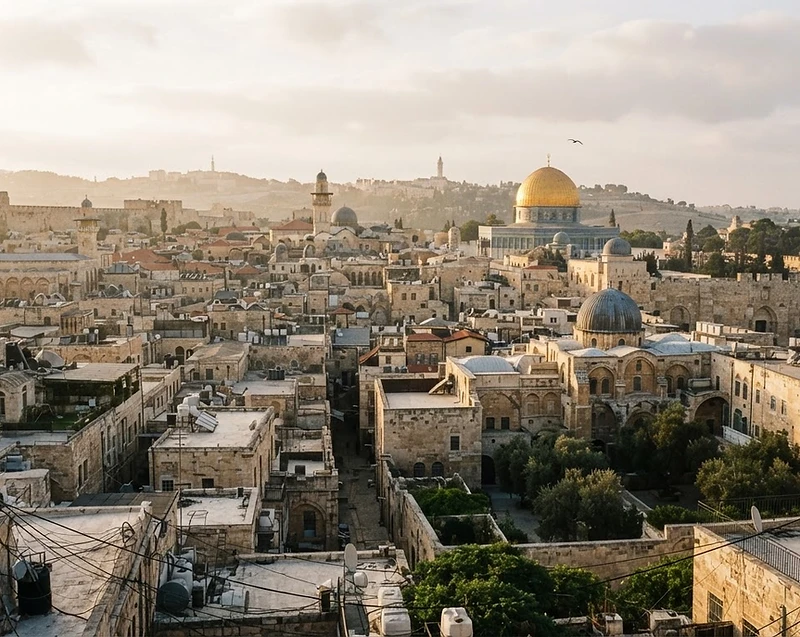
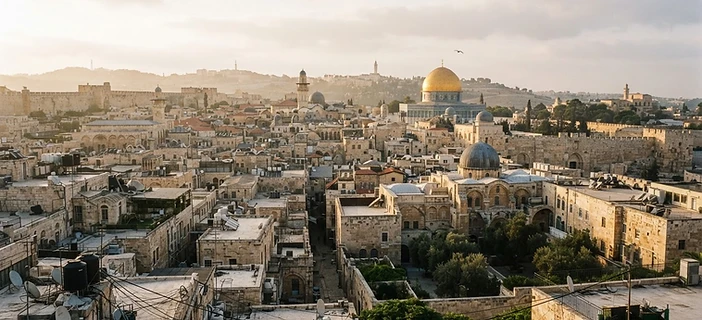
Imagine walking through the Jaffa Gate in Jerusalem, the stones vibrating with the history of prophets, kings, and the King of Kings. Your group will traverse the narrow streets of the Old City, touching the very limestone that witnessed the final week of Christ’s earthly ministry. You will descend into the Shepherd’s Fields in Bethlehem, where the silence of the night still feels pregnant with the promise of the angelic host. From the lush, green slopes of the Golan Heights, where the Jordan River begins its winding descent, to the desolate, haunting beauty of the Judean wilderness, your group will encounter the physical reality of the Word of God.
Activities are immersive. Imagine a baptismal service at the Yardenit site on the Jordan River, where the waters wash over pilgrims as they publicly reaffirm their faith. Picture a morning devotion on a boat crossing the Sea of Galilee, the exact waters where Jesus calmed the storm. These are not merely tourist stops; they are liturgical moments that anchor biblical stories in the physical reality of space and time.
Deepening the Witness: Biblical and Historical Context
Understanding the geography is key to understanding the narrative arc of Scripture. When you teach from the plateau of Arbel, looking down upon the plains where Jesus conducted much of His ministry, you see why the crowds flocked to Him. They were people of the valley, exhausted by legalism, seeking the refreshment of the Living Water. By visiting sites like Caesarea Maritima, you help your group understand the political tension between the Roman empire and the Kingdom of God. When they stand before the ruins of the Bema at Corinth or the theater in Caesarea, the message of the Apostle Paul—that the Gospel is for all nations—gains a tangible, historical weight that simply cannot be replicated in a classroom setting.
Practical Guidance for Leaders: Logistics and Timing
Successful Holy Land packing is as much about mindset as it is about gear. First, consider the season. We highly recommend traveling in the shoulder seasons: late March to early May, or late September to early November. The weather is temperate, allowing for comfortable walking and prayerful reflection without the intensity of the summer sun. Accessibility is another vital concern. Ensure your itinerary allows for "pacing"—do not overstuff the schedule. Holy Land travel is emotionally and physically demanding. Include downtime for prayer, fellowship, and personal reflection.
Regarding your Israel packing list: prioritize comfort over fashion. You will be walking on uneven stone, navigating ancient ruins, and enduring long days in the sun. Pack sturdy, broken-in walking shoes, a reliable wide-brimmed hat, and a lightweight, reusable water bottle. Modesty is not just a cultural courtesy; it is a necessity for visiting holy sites. Ensure your group is prepared to cover shoulders and knees when entering places like the Church of the Nativity or the Western Wall. Finally, bring a journal for the daily devotionals that will define your group’s spiritual transformation.
Why Partner with Verity Journeys?
At Verity Journeys, we believe that Christian Israel tours should be more than a vacation—they should be a pilgrimage that recalibrates the spiritual compass of every participant. We understand that as a pastor or professor, your time is a stewardship. We handle the complexities of logistics, from vetted, expert-led transportation to authentic, hospitality-focused accommodations, so you can focus entirely on the spiritual health of your group. We believe in high-touch, biblically sound itineraries that allow for organic, Holy Spirit-led moments. We partner with local guides who are not only subject-matter experts but are also brothers and sisters in the faith who can articulate the intersection of history and theology with passion and clarity.
Frequently Asked Questions
Q: What is the most important item on our Israel packing list? A: Aside from your passport, the most critical item is a pair of well-broken-in walking shoes. You will be walking miles on uneven, ancient, and often slippery stone surfaces every day; comfort and stability for your feet are the primary factors in ensuring you can fully engage with the sites without distraction.
Q: How do we handle the pacing of the tour for older group members? A: Verity Journeys prioritizes accessible itineraries. We ensure that transit is efficient and that there are frequent opportunities for rest. We encourage leaders to build 'flex-time' into the morning or evening so that those who need a slower pace can participate fully without feeling rushed or overwhelmed.
Q: What is the best season for a ministry-led tour? A: We strongly recommend the 'shoulder' months of spring and autumn. The weather is far more conducive to outdoor study and reflection, with temperatures rarely exceeding the mid-70s. Avoiding the peak summer heat ensures that your group maintains the energy needed for profound spiritual study.
Q: How do we prepare our group spiritually before we depart? A: We provide a comprehensive pre-departure guide that includes suggested readings in the Gospels and Old Testament history. We suggest hosting two pre-trip orientation gatherings to discuss not just the geography, but the biblical themes of 'returning to the roots' of our faith. This creates a foundation of anticipation and shared learning before you ever step foot on the plane.