
Group Size and the Pilgrimage Experience: Navigating Your Sacred Journey
Stepping off a plane in Tel Aviv, Athens, or Rome feels like walking directly into the pages of your Bible. For a pastor or ministry leader, leading a congregation or student group on a pilgrimage is more than a trip; it is an act of spiritual stewardship. Whether you are walking the Via Dolorosa, contemplating the ruins of the Areopagus in Athens, or standing in the shadow of the Colosseum where martyrs once stood, the atmosphere is charged with history and holiness. However, the success of such an endeavor often hinges on a logistical detail that is frequently overlooked: pilgrimage group size. Choosing the right church trip size is the single most important factor in balancing intimacy, accessibility, and the logistical realities of Christian group travel.
The Spiritual Impact of Intimacy in Pilgrimage
There is a profound difference between a tourist excursion and a true pilgrimage. When Jesus walked the roads of Galilee, He did not travel with thousands; He traveled with a small, intimate band of disciples. This allows for deep theological discourse, vulnerable prayer, and shared moments of revelation. When you limit your group size, you change the nature of the experience from an observational tour to a shared spiritual encounter. In Israel, specifically when you are at the Sea of Galilee or in the Garden of Gethsemane, large crowds can create a buffer that prevents that necessary silence. Smaller groups, typically between 20 to 30 people, allow you to gather in circles to read Scripture together without the noise of others crowding in. It allows your ministry team to engage with every individual participant, ensuring that no one feels like just another face in the crowd.
Israel: Walking Where Jesus Walked
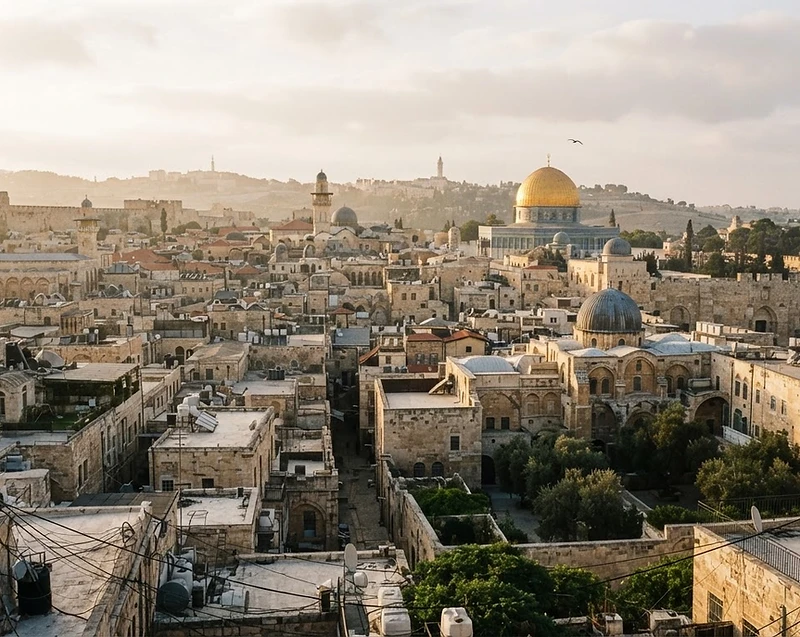
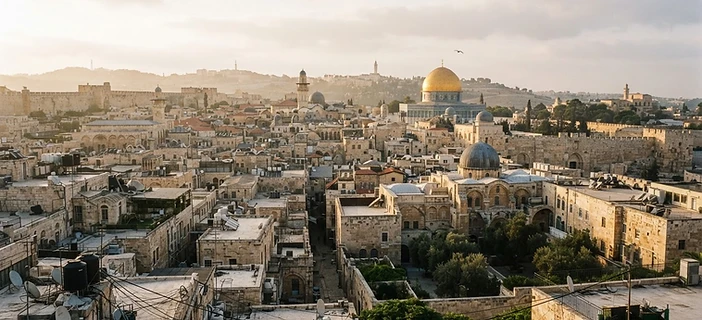
In Israel, the geography is the fifth Gospel. When we take groups to the Mount of Beatitudes, we read Matthew 5, and the reality of Jesus’ words hits home because the acoustics of the hillside actually allow a voice to carry over the natural amphitheater. A smaller group size ensures that the group remains cohesive. In the winding, narrow alleys of the Old City of Jerusalem, a group that is too large becomes impossible to manage, leading to fragmentation and frustration. By keeping your pilgrimage group size optimal, you ensure that every participant can hear the guide, engage with the historical site, and move with a unified purpose through the Church of the Holy Sepulchre or the Western Wall.
Greece: Tracing the Footsteps of Paul
Transitioning to Greece offers a different kind of ministry challenge. As you walk the path of the Apostle Paul through Philippi, Thessalonica, and Corinth, you are tracing the expansion of the early Church. In Corinth, standing near the Bema—where Paul was brought before Gallio (Acts 18:12)—requires quiet reflection. Large groups often struggle with site logistics at these historical venues, where path widths are narrow and shadows are scarce. A well-sized group enjoys the flexibility to linger at the Bema, discussing the implications of the Gospel in a pagan culture, without holding up a massive line of other travelers. This is the beauty of thoughtful Christian group travel; it prioritizes the "aha!" moment over the "check-off" list.
Italy: The Echoes of the Early Church
Italy offers a deep look into the resilience of the early believers. From the Mamertine Prison in Rome, where tradition says Paul was held, to the grand basilicas, Italy challenges the modern believer to consider the cost of discipleship. When you consider your church trip size for Italy, remember that the catacombs and ancient Roman sites often have strict limits on entry. Smaller groups move through these areas with speed and grace, allowing more time for actual worship in the public squares. Being nimble is essential here, as the pace of European cities can be fast, and a smaller group is significantly easier to navigate through the crowded corridors of history.
Practical Guidance for the Ministry Leader
-
Timing and Seasonality: Avoid the peak of summer, especially in Israel and Greece, where temperatures often exceed 100 degrees. Aim for the "shoulder seasons"—March to May or October to November. The weather is milder, and the sites are far less crowded, which complements a smaller, intentional group size.
-
Accessibility: Always scout the physical demands of your locations. If your ministry group includes elderly members, keep the pace moderate. A group of 25 is far easier to move from a bus to a site than a group of 50. Prioritize "slow travel" where you spend more time in fewer locations.
-
The Importance of Pacing: Do not try to see everything. In Israel, focus on the Galilee and Jerusalem. In Greece, focus on the path of Paul. Over-scheduling kills the spiritual potential of a trip. Allow for evening debriefs where the group can process what they have seen through the lens of Scripture.
Why Verity Israel is Your Strategic Partner
At Verity Israel, we understand that you are not just a travel agent; you are a shepherd. Our expertise lies in curate-led logistics. We don’t believe in mass-market, assembly-line tourism. We specialize in managing the complexities of pilgrimage group size so that you can focus on the hearts and minds of your people. We handle the site permits, the expert local guides who are also fellow believers, and the nuances of travel that turn a "trip" into a "journey." We offer the structural support necessary to ensure that your message remains the priority, not the logistics.
Frequently Asked Questions
Q: What is the ideal pilgrimage group size for optimal interaction? A: We recommend a group size of 20-30 people. This range is large enough to be cost-effective while remaining small enough to foster deep spiritual fellowship and ensure mobility at crowded historical sites.
Q: How does group size impact the spiritual depth of a Christian group travel experience? A: Smaller groups allow for spontaneous prayer, meaningful Q&A sessions, and personal ministry. Large groups often force a "broadcast" style of leadership, whereas smaller groups invite a "conversation" style that aligns with biblical models of discipleship.
Q: Are there logistical advantages to smaller groups at historical sites? A: Absolutely. Smaller groups move through security checkpoints faster, have easier access to narrow walkways in catacombs or archaeological ruins, and are less likely to be fragmented in busy city centers, ensuring the group stays together for every teaching moment.
Q: How should I determine the right church trip size for my specific congregation? A: Consider your goals. If the trip is meant for discipleship and deep community building, lean toward a smaller size. If the goal is a broader vision trip for a large congregation, consider multiple staggered departures or a team-lead structure to maintain intimacy within the larger body.