
The Call of the Ancient Path: Famous Christian Pilgrims and the Modern Ministry Leader
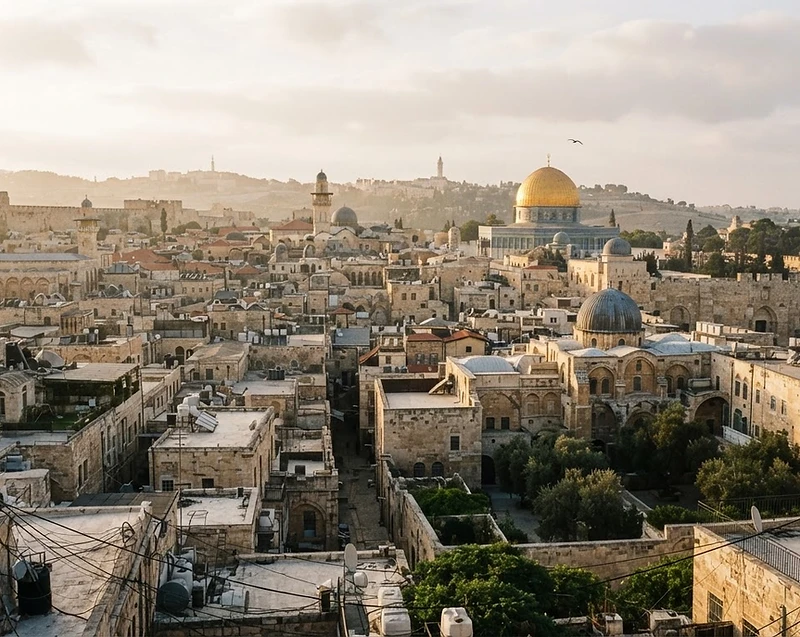
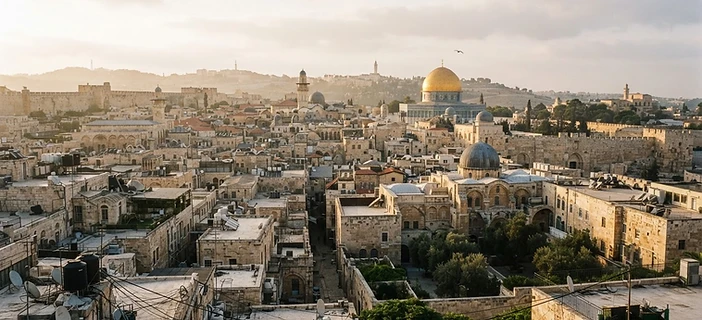
For centuries, the dusty trails of Galilee and the limestone pathways of Jerusalem have been tread by those seeking a deeper connection to the source of their faith. For a pastor, professor, or ministry leader, a journey to Israel is not merely a vacation; it is a pilgrimage—an essential component of theological formation. As you stand on the Mount of Beatitudes or look out over the Sea of Galilee, the words of the Gospel are no longer distant ink on a page; they become living, breathing reality. At Verity Journeys, we believe that understanding the footsteps of those who came before you enriches your own capacity to lead others.
A Historical Legacy of Pilgrimage
The history of Christian pilgrimage to the Holy Land is as old as the faith itself. Early pilgrims were driven by a desire to 'see' the geography of salvation. One of the earliest and most famous Christian pilgrims was Saint Helena, the mother of Constantine the Great. In the 4th century, her travels transformed the landscape of the Holy Land. She is famously credited with identifying the sites of the Nativity in Bethlehem and the crucifixion in Jerusalem. Her actions catalyzed a wave of religious travel that has never truly ceased. Another significant historical figure was Egeria, a 4th-century pilgrim whose detailed diaries provide us with an architectural and liturgical blueprint of early worship in the Holy Land. Her records show that even 1,600 years ago, leaders were bringing groups to participate in communal prayer at sites like the Mount of Olives. Through the medieval era, figures such as St. Jerome and Paula of Rome established monastic communities in Bethlehem, dedicating their lives to translating Scripture while walking the very roads Jesus traveled. These historical precedents set the standard for modern group leaders: to witness, to study, and to return home as heralds of the message.
Modern Realities: Statistics and Theological Impact
Today, Israel remains the primary destination for religious tourism, with hundreds of thousands of Christian pilgrims arriving annually. Recent statistics indicate that over 60% of international tourists to Israel visit specifically for religious or historical interests. For the group leader, these data points are secondary to the spiritual impact. When you lead a group to the Jordan River, you are not just checking a box; you are facilitating a baptismal remembrance. When you navigate the streets of the Old City, you are walking through the history of the Passion. Scientific surveys consistently show that church members who participate in a guided pilgrimage to Israel report a 70% increase in biblical literacy and a significant revitalization in their commitment to their local congregation upon return. This is the 'Geography of Faith'—an educational paradigm where context creates transformation.
Practical Guidance for Ministry Leaders
Leading a group to Israel requires more than just logistics; it requires pastoral foresight. First, prioritize the 'theological narrative' of your trip. Instead of a general tour, structure your visits around specific themes: the life of Jesus, the journey of the Apostles, or the history of the prophets. Second, allow for 'contemplative time.' Do not overload your itinerary with too many stops. A group that spends two hours sitting in the Garden of Gethsemane is far more impacted than a group that visits four sites in the same duration. Third, partner with local experts. Verity Journeys provides access to licensed, biblically-trained guides who understand both the archaeology and the spiritual needs of Christian groups. Lastly, prepare your group mentally and physically. Encourage them to read through the Gospel of Mark or the Psalms of Ascent prior to departure. A prepared pilgrim is a receptive pilgrim.
Why Verity Journeys?
Verity Journeys specializes in curating experiences for leaders who demand depth. We understand that you are not just a travel agent; you are a shepherd. We handle the complex logistics—the security, the specialized transport, the intimate dining, and the high-end boutique accommodation—so that you can focus entirely on the spiritual shepherd-work of your team. Our network allows you to access private chapel spaces in the Holy Sepulchre or the Garden Tomb, providing a quiet environment for your group’s devotions. We believe in the 'verity' of the encounter—that true change happens when the Word is placed back into the land that birthed it.
Frequently Asked Questions
Q: What is the best time of year to bring a church group to Israel? A: The shoulder seasons, specifically March-May and September-November, offer the most pleasant weather for walking, allowing your group to navigate sites like the Temple Mount and the Ein Gedi oasis without the intensity of summer heat or winter rains.
Q: How much physical preparation is required for the group? A: While most sites are accessible, the Holy Land is an ancient place with uneven terrain and steep stone streets. We recommend that participants are capable of walking 3-5 miles per day at a moderate pace to fully enjoy the pilgrimage experience.
Q: How does Verity Journeys ensure the safety and security of our pilgrims? A: We prioritize security protocols that are invisible but comprehensive. We utilize local intelligence, secure transportation, and experienced guides who understand the nuances of the geopolitical climate, ensuring your group’s peace of mind at all times.
Q: Can we customize our itinerary to focus on specific theological interests? A: Absolutely. Whether you are leading a group of archaeology students, prayer warriors, or youth leaders, we tailor the itinerary to match your specific ministry goals, ensuring that every stop serves your mission and the overall spiritual growth of your group.**
Who was the earliest recorded Christian pilgrim to the Holy Land? The earliest detailed account is that of Egeria, a fourth-century woman from Western Europe who traveled to the Holy Land around 381–384 AD and wrote a journal describing the liturgy at the holy sites. Before her, Emperor Constantine's mother Helena visited around 326 AD and is traditionally credited with identifying the site of the Holy Sepulchre and building the Church of the Nativity. These early pilgrims established a tradition that has continued for nearly two millennia.