
Rome: A Christian Traveler's Guide
Stepping off the plane in Rome is more than just arriving at a destination; it is stepping into a living, breathing testament of faith. For a Christian leader, walking the streets of the Eternal City is a journey into the heart of early church history, where the blood of the martyrs watered the seeds of the Gospel that eventually changed the world. As you stand amidst the ruins of the Forum or walk the cobblestones near the Appian Way, you are not just a tourist; you are a pilgrim tracing the footsteps of the Apostle Paul and those who held fast to the confession of their hope in the face of imperial opposition. Whether you lead a church congregation, a university department, or a ministry team, Rome offers a profound backdrop for renewal, reflection, and deepening theological understanding.
The Spiritual Significance of Christian Rome
Rome serves as a poignant reminder of the tension between the Kingdom of God and the kingdoms of this world. In the first century, it was the center of an empire that demanded ultimate allegiance to Caesar, yet the early believers boldly proclaimed, "Jesus is Lord." This is the primary theme for any group traveling with a professional Rome travel guide. When you walk through the Colosseum or stand within the shadow of the Pantheon, your group will grapple with the reality of Hebrews 11:13-16, which reminds us that these believers were "strangers and exiles on the earth," seeking a better country—a heavenly one. Seeing these ancient structures provides a visceral understanding of the historical and cultural challenges faced by the early church.
What Your Group Will See and Do
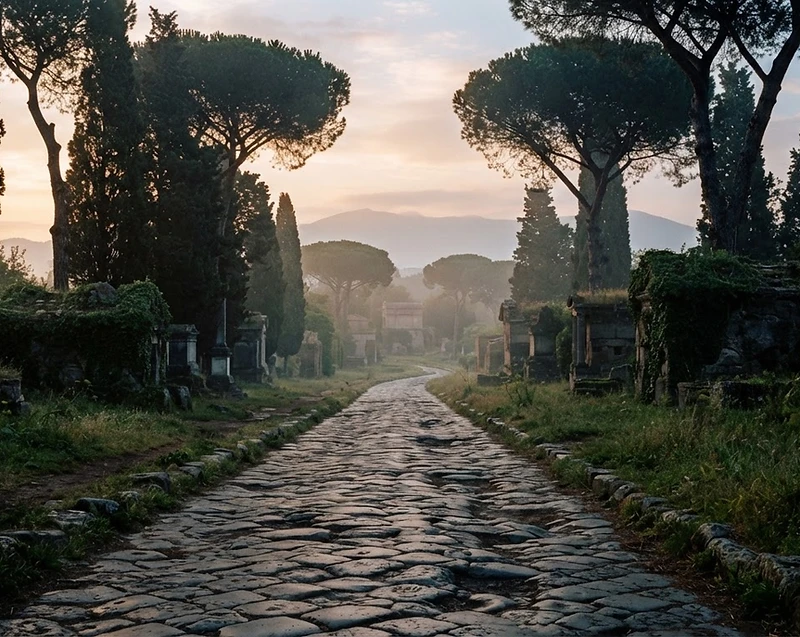
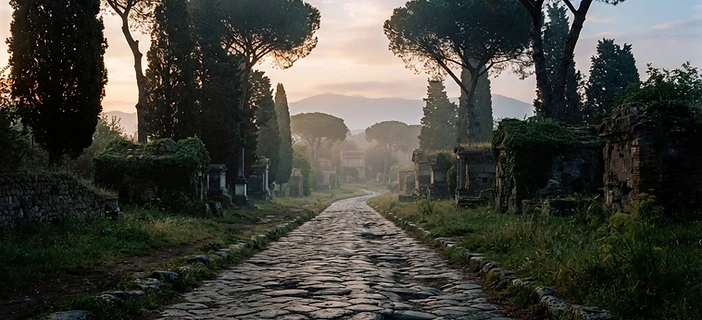
Christian Italy tours are transformative because they move beyond the surface level of secular tourism. A well-curated itinerary for your group should focus on both the grand monuments and the quiet, sacred spaces. First, the Mamertine Prison is essential; tradition identifies this as the site where Peter and Paul were held before their martyrdom. Reading 2 Timothy 4:6-8 here, as Paul writes his final letter, creates a moment of deep spiritual impact. Second, the Appian Way (Via Appia Antica) allows groups to walk where the Apostle Paul likely entered the city as a prisoner, fulfilling his desire to "proclaim the gospel also to you who are in Rome" (Romans 1:15). Third, a visit to the Catacombs of St. Callixtus provides a sobering look at how early Christians gathered for worship and buried their dead in times of persecution, symbolizing their shared hope in the resurrection. Finally, the Basilica of St. Paul Outside the Walls serves as a monumental tribute to the Apostle to the Gentiles, housing what is traditionally considered his burial site. These sites, when connected by skilled teaching, turn sightseeing into a theological pilgrimage.
Biblical Teaching and Reflective Moments
Effective leadership during these travels requires intentional biblical teaching. The Book of Romans is the most obvious resource, but consider expanding your focus to the Book of Acts, specifically chapters 27 and 28, which chronicle Paul’s perilous journey to Rome. Discussing these passages at the actual sites—such as the Puteoli port region near Naples—makes the narrative leap off the page. Use the ruins of the Roman Forum to discuss the concept of "Idolatry in a Culture of Power," drawing parallels to the modern challenges our churches face today. By grounding each stop in specific scripture, you help your group members understand that they are not just looking at old stones; they are engaging with the history of their own spiritual heritage.
Practical Guidance for Group Leaders
Logistics in Rome can be daunting, but with the right preparation, your pilgrimage will be seamless. First, regarding timing: Rome is best experienced in the shoulder seasons—April to May or late September to October. The weather is temperate, and the city is less crowded than in the peak summer heat. Second, accessibility is a major consideration; Rome is an ancient city with uneven cobblestones and many stairs. Be sure your group is prepared for significant walking and advise them to bring well-broken-in, high-quality walking shoes. Third, pacing is vital. Do not attempt to fit everything into a single day. We recommend a "slow travel" approach, where mornings are reserved for site visits and afternoons are protected for rest and group debriefing. This cadence allows for processing the emotional and spiritual weight of what the group is experiencing. Finally, always keep a supply of bottled water and stay mindful of the local customs regarding modest dress, particularly when entering holy sites.
Why Verity Journeys is Your Partner in Italy
Planning a group pilgrimage involves more than booking hotels and flights; it requires a deep understanding of the spiritual and educational objectives unique to Christian organizations. At Verity Journeys, we specialize in Christian Italy tours that prioritize theological integrity and spiritual formation. We provide more than just a logistical itinerary; we provide a framework for mission. Our guides are not only experts in Italian history but are also believers who understand the scriptural narratives that animate the trip. We handle the complex arrangements—from private access to historical sites to curated, faith-centered meal experiences—so that you can focus entirely on leading, shepherding, and teaching your group. We don't just facilitate travel; we curate a life-changing experience.
Frequently Asked Questions
Q: What is the ideal duration for a Christian tour in Rome? A: We recommend a minimum of 5 to 7 days in Rome to allow for a comprehensive look at the historical sites without rushing the spiritual reflection or personal rest time.
Q: Is it difficult for older or less mobile travelers to navigate Rome? A: While much of Rome is walkable, we prioritize accessible transport and routes for groups with varying physical abilities, ensuring everyone remains included in the journey.
Q: How does Verity Journeys integrate scripture into the tour experience? A: Each day begins with a devotional focused on the site you are visiting, and our guides are trained to highlight historical details that correlate directly with the biblical accounts in Acts and the Epistles.
Q: Should we visit during the summer months? A: We strongly advise against travel in July and August due to extreme heat and heavy tourist traffic, which can detract from the reflective nature of a Christian pilgrimage.