
The Empty Tomb: The Foundation of the Faith
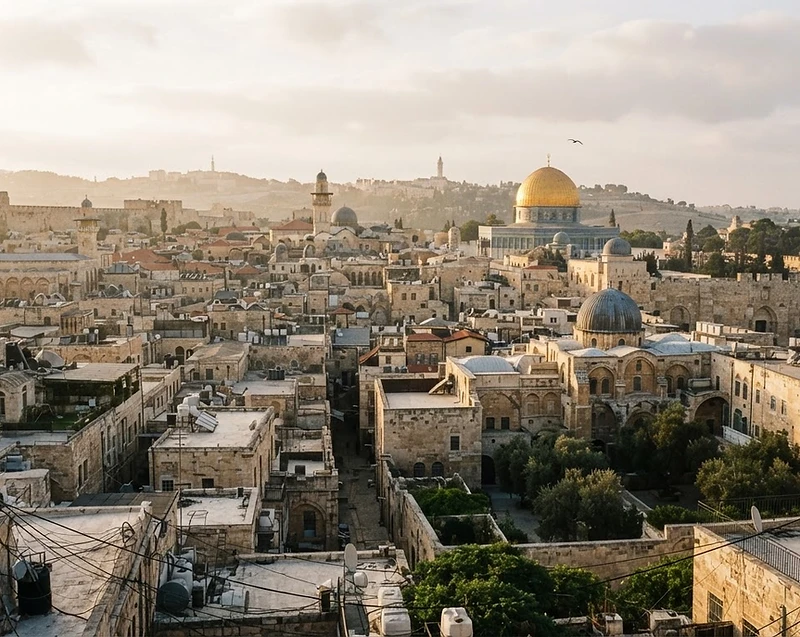
As the sun rises over the limestone hills of Jerusalem, casting a golden hue upon the ancient city walls, there is a tangible shift in the air for those who walk the Via Dolorosa. For pastors, ministry leaders, and pilgrims alike, the journey through Israel is not merely a sightseeing tour; it is a profound descent into the narrative of human salvation. The centerpiece of this sacred geography—and the heartbeat of the Christian faith—is the empty tomb. As the Apostle Paul declared in 1 Corinthians 15:14, "And if Christ has not been raised, our preaching is useless and so is your faith." To stand in the Garden Tomb or before the Aedicule in the Church of the Holy Sepulchre is to confront the reality that the resurrection of Jesus is not a metaphor, but a historical pivot point that changed the trajectory of eternity.
Walking the Path of Redemption
When you bring a group to Israel, you are doing more than traveling; you are contextualizing the Gospel. We begin our pilgrimage in the Galilee, where the ministry of Jesus unfolded in the dust of Capernaum and the shores of the Sea of Galilee. Yet, all roads lead to Jerusalem. In the Holy City, we walk through the Kidron Valley, past the Garden of Gethsemane, and up to the historical sites that mark the Passion. When a group stands in the vicinity of the empty tomb, the silence is often overwhelming. It is here that the abstract becomes physical. The limestone walls of the burial sites serve as a visual aid that makes the Resurrection narrative leap off the pages of the Gospels. Watching a group of believers realize that their faith is grounded in a physical space and a specific time in history is the most rewarding experience a leader can witness.
Scriptural Anchors in the Holy Land
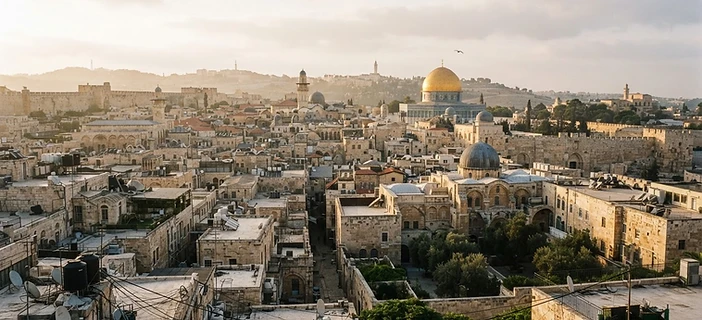
To lead a group effectively, one must ground the experience in the Word. We look to John 20:1-18, where Mary Magdalene encounters the risen Lord. Teaching this passage within the vicinity of the site provides an emotional connection to the text that no classroom can replicate. Similarly, we look to Luke 24, where the Emmaus disciples find their hearts burning within them as Jesus explains the Scriptures. When you lead your ministry at these locations, utilize the "See-Say-Feel" method: point out the archaeological markers (See), read the relevant Gospel account (Say), and hold space for the Holy Spirit to move in their hearts (Feel). Whether you are standing on the Mount of Olives or looking into the rock-hewn tombs that mirror those of the first century, the Scriptures are no longer static ink; they are living, breathing history.
Practical Leadership: Orchestrating the Pilgrimage
Leading a group to Israel requires the precision of a seasoned guide and the heart of a shepherd. Timing is everything. Jerusalem is a city that breathes; you must account for the rhythm of the city, especially during the Sabbath or major religious festivals. For accessibility, always screen your group for mobility issues beforehand. The uneven, ancient stone streets of the Old City are beautiful but challenging. Pacing is equally vital—do not over-schedule. Allow for 'porch time' where your group can process what they have seen. The best seasons to travel are the 'shoulder seasons': March to May or September to November. During these months, the weather is mild, avoiding the harsh heat of the desert summer and the chill of the Judean winter. A well-paced itinerary allows for spontaneous moments of worship, which are often the most impactful parts of the journey.
Why Verity Journeys?
At Verity Journeys, we understand that you are not just a tour leader; you are a shepherd. We do not offer cookie-cutter itineraries. We specialize in bespoke Christian Israel tours that bridge the gap between historical scholarship and spiritual formation. Our logistics team handles the complex infrastructure—the hotels, the permits, the transportation, and the private access to sites—so that you can focus entirely on your group. We believe in the power of the resurrection as the foundation of your ministry, and we are committed to providing an environment where your people can encounter the risen Christ in the very land He walked. We provide the structure; you provide the soul.
Frequently Asked Questions
Q: What is the best time of year to take a church group to Israel? A: The ideal window is during the spring (March-May) or autumn (September-November), when the climate is temperate, allowing for extensive walking and outdoor teaching without the exhaustion caused by extreme temperatures.
Q: How much physical walking should participants expect on a daily basis? A: Most days involve 3 to 5 miles of walking. We provide logistical support for those with limited mobility, but it is important to communicate that the terrain consists of ancient stone paths and inclines common in a 3,000-year-old city.
Q: Should I bring my own teaching materials for the sites? A: While our guides are world-class historians, we encourage leaders to bring their own devotionals. We will help you coordinate your teaching schedule to ensure you have exclusive, quiet moments at key sites to lead your group in prayer or Bible study.
Q: Is Israel safe for large church groups? A: The safety of our groups is our highest priority. We monitor local conditions 24/7 and coordinate with local security experts to ensure that your itinerary avoids any areas of concern, focusing on the safe and well-traversed corridors of the Christian pilgrimage path.
Which site do you recommend — the Garden Tomb or the Church of the Holy Sepulchre? We visit both, and we recommend both. The Church of the Holy Sepulchre is the site with the longest continuous tradition of veneration and is almost certainly within the area of the ancient tomb. The Garden Tomb offers a quiet, garden setting that many Protestant and evangelical groups find more conducive to worship and reflection. Each speaks to a different part of the heart, and together they give a group the full picture of the resurrection story.