
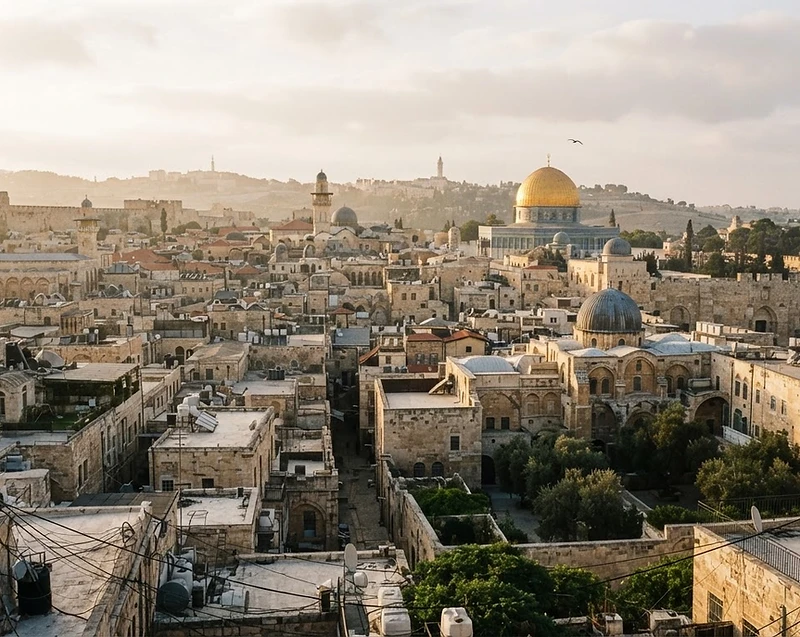
Traveling with Children on a Pilgrimage: A Journey of Faith for All Ages. Imagine standing on the Mount of Olives as the sun rises over the golden dome of Jerusalem, not merely as a solo pilgrim, but holding the hand of a child whose eyes are wide with the wonder of seeing the city of David for the first time. For Christian group leaders, the prospect of guiding families on a pilgrimage to the Holy Land, Greece, or Italy can feel daunting, yet it remains one of the most transformative experiences a ministry can offer. Traveling with children on a pilgrimage is not just about logistics; it is about planting seeds of faith in fertile soil, allowing history to become a living, breathing reality rather than a dusty page in a Sunday school textbook. From the rugged hills of Galilee to the ruins of Corinth and the catacombs of Rome, the ancient world speaks a language that children understand instinctively: the language of story. By immersing families in the sites where Jesus walked, where Paul preached, and where the early church stood firm, leaders facilitate a multi-generational encounter with the Divine. ## What a Group Sees and Does: A Tapestry of Ancient Wonders. When organizing a family pilgrimage, the itinerary must balance historical depth with experiential engagement. In Israel, a group might start at the shores of the Sea of Galilee, renting a wooden boat to traverse the same waters where Jesus walked on the waves (Matthew 14:22-33). Children can touch the water, imagine the storm, and feel the reality of the miracle. In the heart of Jerusalem, walking through the excavations of the City of David allows children to wade through Hezekiah’s Tunnel, a subterranean wonder that makes the story of 2 Kings 20:20 tangible. Moving to Greece, the journey follows the footsteps of the Apostle Paul. In Corinth, standing before the Bema seat where Paul stood trial (Acts 18:12-17) gives youth a sense of the courage required to preach the Gospel in a hostile culture. In Italy, Rome offers a powerful lesson in resilience. Visiting the Catacombs of Priscilla or St. Callixtus provides a sobering yet inspiring look at how the early believers preserved their faith in the face of persecution. These are not merely sights to be checked off; they are classrooms without walls. We incorporate scavenger hunts, storytelling sessions in amphitheaters, and interactive prayer time at sacred sites to ensure that children remain active participants in the pilgrimage.

Biblical Teaching with Specific Scripture References. A pilgrimage is a journey through the narrative of Scripture. When teaching in Israel, leaders should focus on the concept of 'the land as the fifth Gospel.' Reading Matthew 5:1-12 on the Mount of Beatitudes while looking down at the landscape of Capernaum turns a theological discourse into a moment of discipleship. In Greece, we turn to the letters of Paul. Reading 1 Corinthians 13 in the city of Corinth itself transforms the 'love chapter' from a wedding reading into a command for community life in a fractured world. In Italy, reflecting on Romans 1:16—'I am not ashamed of the gospel'—while standing near the Colosseum, where early martyrs stood for that very Gospel, provides a profound connection to the cost of discipleship. Our curriculum focuses on the theme of 'following in the footsteps of faith,' using the accounts of the Patriarchs in Israel, the missionary journeys in Greece, and the history of the early Church in Rome to build a comprehensive view of Christian heritage. ## Practical Guidance for Leaders: Managing the Logistics. Leading families requires a shift in traditional pilgrimage pacing. The 'dawn-to-dusk' model used for adult groups will lead to burnout. Instead, we advocate for the 'rhythm of rest.' Timing is everything; avoid the scorching heat of July and August. The best seasons for families are the spring (March to May) and autumn (October to November), when temperatures are mild and the landscape is inviting. Regarding pacing, limit daily site visits to two primary locations. This prevents the 'museum fatigue' that children often suffer from. Accessibility is paramount; ensure that your transportation includes climate-controlled coaches and that walking tours are planned with paths that are stroller-friendly where possible. Always include 'white space'—unstructured afternoon time where families can play in a hotel pool or explore a local park. This recharge time is essential for group cohesion. For leaders, the most important asset is a patient, flexible itinerary that treats the pilgrimage as a marathon of faith rather than a sprint through history. ## Why Verity Israel: The Professional Standard. Verity Israel exists to bridge the gap between complex travel logistics and meaningful spiritual formation. We understand that group leaders carry the weight of their congregation’s experience. Our team provides comprehensive pre-trip materials, including devotionals for families and educational packets for children. We partner with expert, biblically-trained local guides who know how to engage younger audiences, moving away from academic lectures toward interactive, narrative-driven storytelling. Our safety protocols are rigorous, and our support staff is available 24/7. When you travel with Verity, you are not just booking a trip; you are partnering with a ministry that shares your goal of cultivating a lifelong, vibrant faith in every traveler, regardless of age. ## Frequently Asked Questions. Q: Is a pilgrimage safe for younger children? A: Yes, provided you work with a professional agency like Verity Israel. We prioritize safe, family-friendly transport and well-vetted accommodations, ensuring that parents can focus on the spiritual journey without worrying about safety logistics. Q: How can we keep children engaged during historical site visits? A: We utilize 'engagement tools' such as site-specific journals, photography challenges, and short, interactive teaching segments that relate the ancient ruins to the children’s modern lives. Q: What is the ideal age range for a family pilgrimage? A: While children of all ages can join, we find that children between the ages of 7 and 17 are at an ideal developmental stage to grasp the historical significance and spiritual gravity of these sites. Q: How does the cost compare to traditional vacation packages? A: While a pilgrimage is an investment, Verity Israel manages group pricing to ensure that costs are competitive. We emphasize that this is a ministry investment in discipleship, providing lifelong value that outweighs the cost of a typical vacation.
family pilgrimagechildren Holy LandChristian group travel